What a condition report should contain for strata
A condition report is the evidence base for a remedial programme. Done to AS 4349.1, it documents the defects a committee acts on. Here's what a useful condition report actually contains.
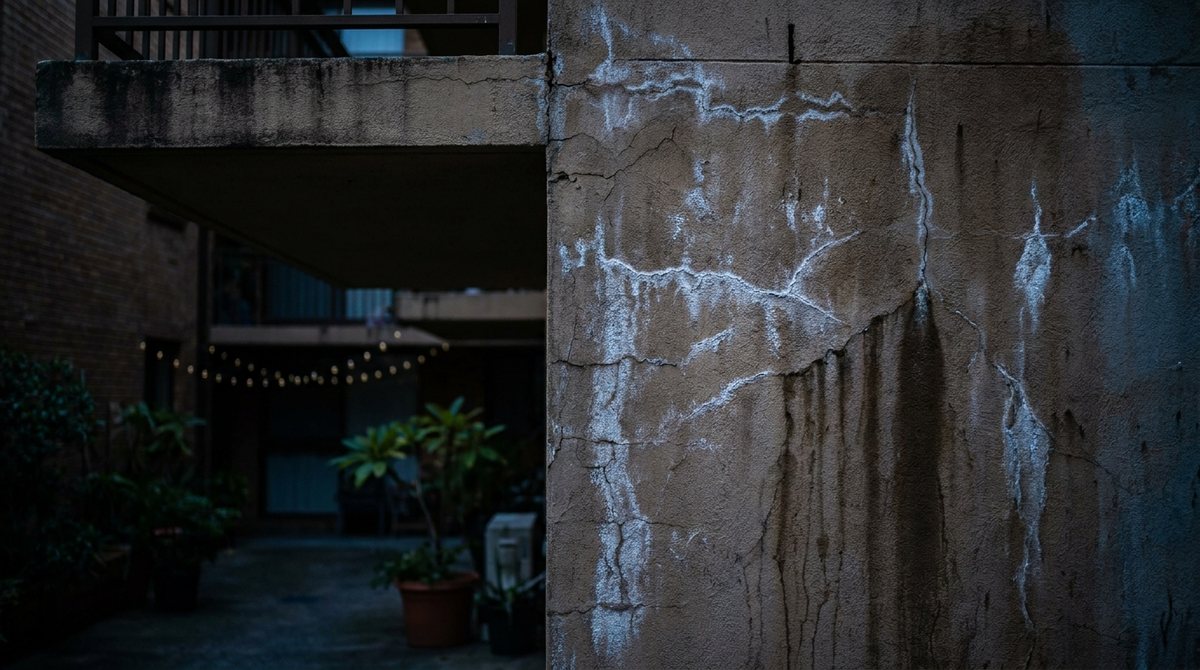
A Mosman owners corporation commissions a condition report before deciding on a remedial programme. What comes back is four pages of generic observations and a recommendation to seek quotes. It is close to useless, because it does not document the defects in enough detail to scope or to act on. A condition report is the evidence base for everything that follows, and done properly, to the relevant standard, it is the single most valuable document a committee can hold.
A condition report is not a formality. It is the evidence the committee acts on, defends spends with, and supports warranty claims with.
What a condition report is for
A condition report documents the state of the building, or the relevant part of it, at a point in time. It records the defects present, their location, their likely cause, and their severity, with the evidence, photographs, readings, observations, behind each finding. It is commissioned to establish what is actually wrong, so the owners corporation can decide what to do about it on the basis of evidence rather than the loudest resident complaint.
A useful condition report serves several purposes at once. It is the brief that lets contractors scope accurately. It is the justification the strata manager carries into the AGM. It is the baseline against which future deterioration is measured. And it can support a defect or warranty claim if the building is within a liability period. A vague report serves none of these well.
Done to AS 4349.1
AS 4349.1 is the Australian Standard for property inspection reports covering residential buildings. A condition report prepared with reference to AS 4349.1 follows a recognised structure and scope, which matters because it makes the report defensible and comparable. A committee, a contractor, or a tribunal can rely on a report done to a known standard in a way they cannot rely on an unstructured walk-through.
The standard sets expectations for what is inspected, how findings are recorded, and what limitations are stated, which areas could not be accessed, what was outside the scope of the inspection. Those limitations matter, because a report that quietly omits the areas it could not reach can mislead. A report done properly states plainly what it covered and what it did not.
What the report should actually contain
Defect by defect, the report should record the location, specific enough to find it again, balcony 4-02, north-facing, hob junction. The observed condition, what is actually visible or measured, hollow bedding, rust staining, a moisture reading. The likely cause, the report's professional assessment of why the defect is occurring. The severity or urgency, so the committee can prioritise. And the supporting evidence, photographs, moisture or cover readings, that back the finding.
It should also state the overall picture, the patterns across the building, the elements at the start of failure versus those well advanced, and a prioritised set of recommendations, what needs attention now, what can be monitored, what is planned. A report that gives the committee a prioritised, evidenced picture lets them plan a staged programme. A report that lists observations without priority or cause leaves them no better off than the resident complaints.
Who prepares it, and independence
Condition reports for major decisions are commonly prepared by an independent building consultant, which gives the committee a third-party assessment they can rely on and attach to an AGM motion. A contractor's investigation and scope is different, it is the contractor proposing the work, which is appropriate at the scoping stage, but a committee wanting an independent baseline often values a consultant's report alongside it. The two serve different roles, the consultant establishes the independent evidence, the contractor scopes the rectification.
What to do next
- Commission the condition report to AS 4349.1 so it is structured, defensible, and comparable.
- Require defect-by-defect detail, location, condition, cause, severity, evidence, not generic observations.
- Require the report to state its limitations plainly, what was accessed and what was not.
- Use an independent consultant's report as the evidence baseline, alongside the contractor's scope for the rectification.
How Supcon handles this
Thomas's investigation and scope document the defects to the same evidentiary standard a good condition report demands, location, condition, cause, severity, and supporting evidence per defect, with the patterns across the building set out so the committee can prioritise. Where the owners corporation wants an independent baseline as well, the scope sits alongside a consultant's AS 4349.1 report rather than in place of it.
The condition report is the evidence everything else stands on. See engaging a remedial specialist versus a general builder for who should assess the defects, and defects liability periods explained for how the report supports a later claim.
Get a remedial scope. Send through the issue.