Coordinating remedial works around residents
A remedial programme runs in an occupied building. Noise, access, dust, and balconies offline all land on residents. Here's how good coordination keeps a strata project from becoming a complaint storm.
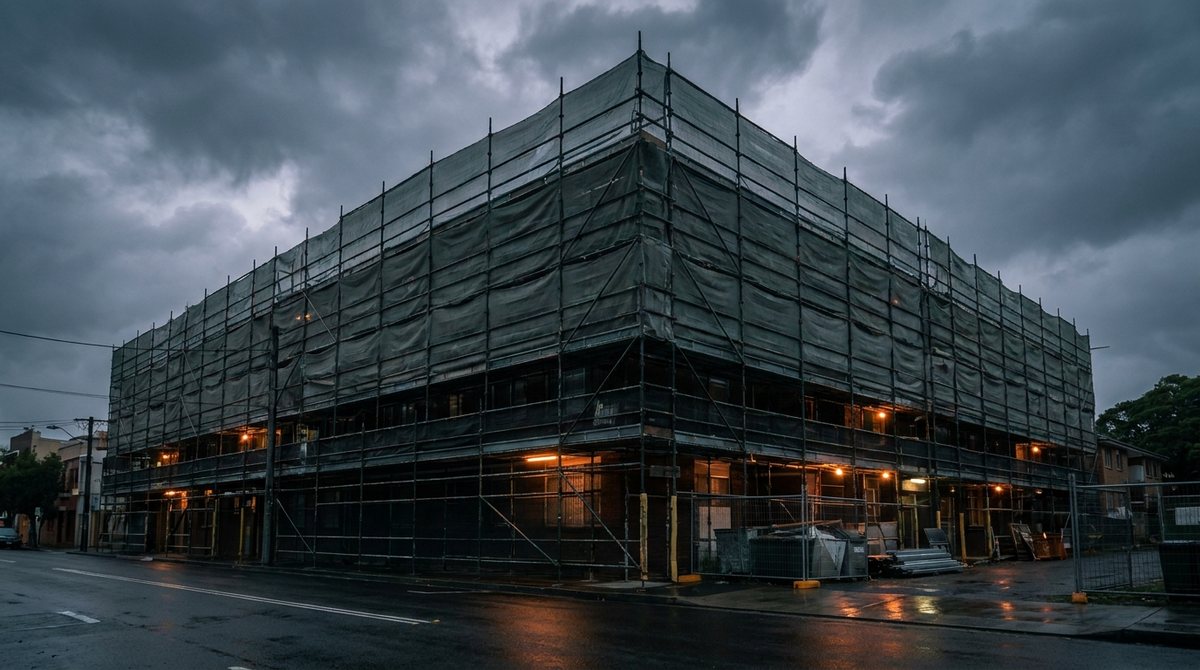
A balcony rectification programme starts on a North Sydney building, and within a week the strata manager is buried in resident emails. Nobody told apartment 4-02 their balcony would be offline for three weeks. The scaffold blocked 2-01's morning light without warning. The drilling started at 7am over a shift worker who sleeps days. The work is fine. The coordination failed, and in an occupied building, failed coordination becomes a complaint storm that lands squarely on the strata manager.
Remedial work in an occupied building is half construction, half communication. Skip the communication half and the construction half drowns in complaints.
Why occupied-building work is different
A remedial programme on an apartment building runs while people live in it. Residents wake up, work, sleep, and use their balconies through the noise, dust, scaffold, and access disruption of an active construction site. Every one of those disruptions is a potential complaint, and the residents direct those complaints at the strata manager, not the contractor.
The work itself can be flawless and the project can still be judged a failure by the residents and the committee if the disruption was not managed. Conversely, a well-coordinated programme, where residents knew what was coming and felt considered, generates goodwill even through significant disruption. The difference is almost entirely communication and sequencing.
The resident-impact plan
Good coordination starts with a resident-impact plan written into the scope, the same item the scope checklist calls for. It sets out, per stage of the work, what residents will experience, which balconies go offline and when, where the scaffold goes and what it affects, the working and noise hours, where access through apartments is needed, and how dust and debris are contained.
That plan becomes the basis for communication. Residents who receive clear, advance notice, your balcony will be offline from this date to this date, scaffold goes up on the east elevation this week, drilling hours are 8am to 4pm weekdays, adjust and cope. Residents who wake up to a surprise escalate. The information is the same. The timing of delivering it decides the reaction.
Sequencing to minimise disruption
The order of work can reduce the impact on residents independently of communication. Staging by elevation so the whole building is not under scaffold at once, keeping at least some balconies usable at any time, scheduling the loudest work in concentrated windows rather than spread thin across months, and timing access-through-apartment work to suit residents where possible, all soften the experience.
A contractor who sequences with the residents in mind, and a strata manager who can communicate that sequence, turn an inherently disruptive programme into a managed one. A contractor who sequences purely for their own efficiency, with no regard for which residents are affected when, maximises the disruption and the complaints.
The communication cadence
The other half is keeping residents informed as the work proceeds, not just at the start. A regular update, a notice in the lobby, an email through the strata manager, the building manager briefed daily, means residents always know what is happening this week and next. The strata manager who can answer a resident's question because they already have the information does not get chased. The strata manager who is as surprised as the resident loses the room.
What to do next
- Insist on a resident-impact plan in the scope, per stage, balconies offline, scaffold, hours, access, dust.
- Communicate disruptions in advance. The same information lands as consideration when early and as a grievance when late.
- Push for sequencing that keeps some amenity available and concentrates the loudest work, not just contractor-efficient staging.
- Set a communication cadence so residents always know what is happening this week and next.
How Supcon handles this
Thomas builds the resident-impact plan into the scope, stage by stage, and sequences the work to keep amenity available where possible and concentrate the disruptive phases. The building manager is briefed so on-site questions get answered on site, and the strata manager gets the information needed to keep residents ahead of the work rather than behind it.
In an occupied building, considered coordination is part of the job, not an afterthought. See the building manager's role in a remedial programme for the on-site coordination, and how to brief a remedial scope for getting the programme approved in the first place.
Get a remedial scope. Send through the issue.