How to brief a remedial scope to an owners corporation
Getting a remedial scope approved at an AGM is a briefing problem. A volunteer committee approves what it understands. Here's how to present a scope so the owners corporation can decide.
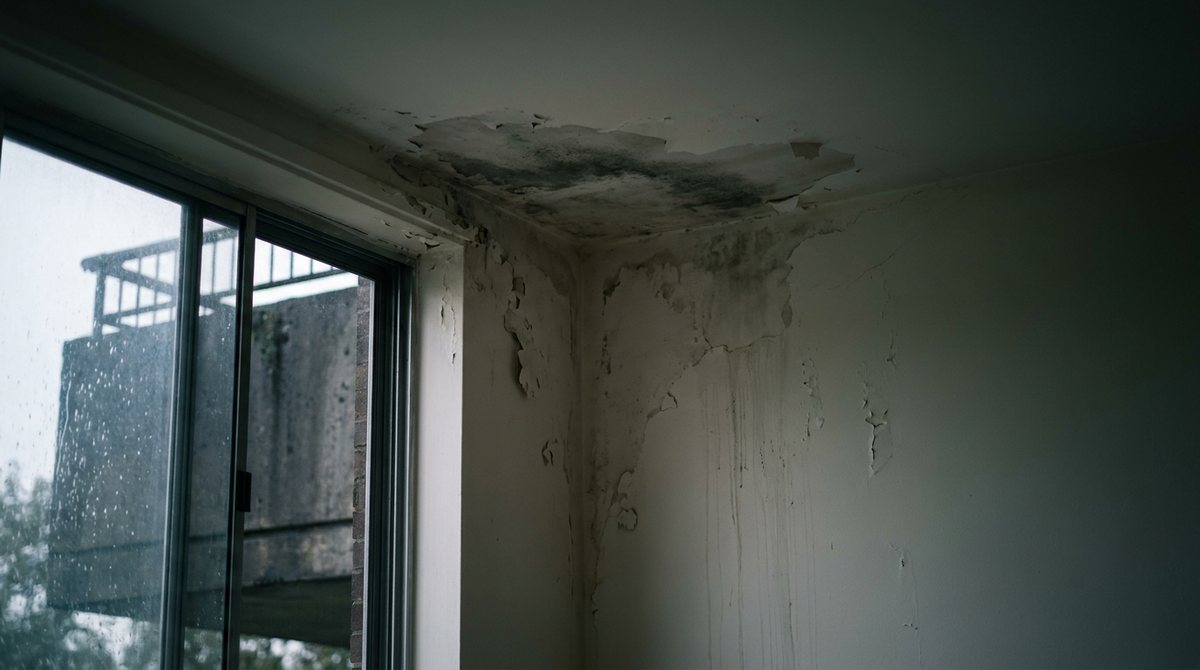
A strata manager walks into a Mosman AGM with a sound remedial scope and walks out without approval. The scope was right. The briefing was wrong. A volunteer owners corporation, apartment owners with no construction background, approves what it understands and defers what it does not. The technical quality of the scope is necessary but not sufficient. How it is presented to the room decides whether the work gets the vote.
The owners corporation does not approve the best scope. It approves the scope it can understand and defend to itself.
Who is actually in the room
An owners corporation committee is volunteers. A retired teacher, a small business owner, a first-time apartment owner, a long-term resident on a fixed income. None of them, as a rule, works in construction. They are being asked to approve a significant spend of other owners' money on work they cannot personally assess. Their default, when uncertain, is to defer. Deferral feels safe. Approval feels like exposure.
The briefing has to move the room from uncertain-and-deferring to informed-and-deciding. That is a communication task, and it is the strata manager's task, because the strata manager is the one who has read the scope and can translate it.
Lead with the problem, not the solution
The room cannot evaluate a rectification it does not understand the need for. Start with the defect and its progression. The membrane on the balconies has failed, water is reaching the slab, and the slab is beginning to spall. If nothing is done, the spalling spreads and what is a waterproofing problem this year becomes a structural one. Establish the problem and its trajectory first. Now the spend has a reason the room can hold.
This is where the structural-progression framing does the work. A committee that understands the defect gets worse on a clock, in one direction, understands why deferral is not the safe option it feels like. Deferral lets the progression run. That reframes the decision from spend now versus save now to address it now versus address more of it later.
Translate the scope into plain decisions
The committee does not need to understand polymer-modified mortar. It needs to understand that the scope addresses the cause, is anchored to the relevant Australian Standards, AS 4654.2, AS 3600, carries a defects liability period, and has been written so it can be compared against other scopes. Give them the structure, what is wrong, what the work does about it, what standard it meets, what protection they get, without burying them in the chemistry.
Hand them the twelve-line scope checklist so they can see the scope has been assessed against a structured standard. A committee that has a framework to check the scope against feels equipped to decide rather than asked to trust.
Anticipate the questions before they are asked
The same questions come up in every room. Why is it this much work. Can we do less. Why this contractor. What if we wait. Address them in the briefing before they are raised, because a question answered pre-emptively reassures, while a question that catches the strata manager flat-footed undermines the whole scope. Why this much work, because the diagnosis found this extent, and here is the survey. Can we do less, here is what doing less leaves running and where that leads. What if we wait, here is the progression.
What to do next
- Brief the problem and its progression before the scope. The room cannot approve a solution to a problem it does not understand.
- Translate the scope into plain decisions, cause, standard, protection, comparability, not chemistry.
- Hand the committee the scope checklist so they have a framework to assess against.
- Pre-empt the standard questions, why this much, can we do less, what if we wait, in the briefing.
How Supcon handles this
Thomas writes the scope so the strata manager can brief it. The defect and its progression are stated plainly at the front. Each line ties to a cause, a standard, and a rectification the committee can follow. The document is structured to be read by volunteers and compared against other scopes, which is what lets the strata manager carry it into the room and get the vote.
A scope that cannot be briefed does not get approved, however good it is. See reading a remedial scope of works for the checklist to hand the committee, and presenting a major remedial programme across an AGM cycle for the timing.
Get a remedial scope. Send through the issue.