Reading a remedial scope of works: a strata committee guide
Twelve line items the OC committee should look for on every remedial scope of works before approving a major spend. A plain-English guide for volunteer apartment owners.
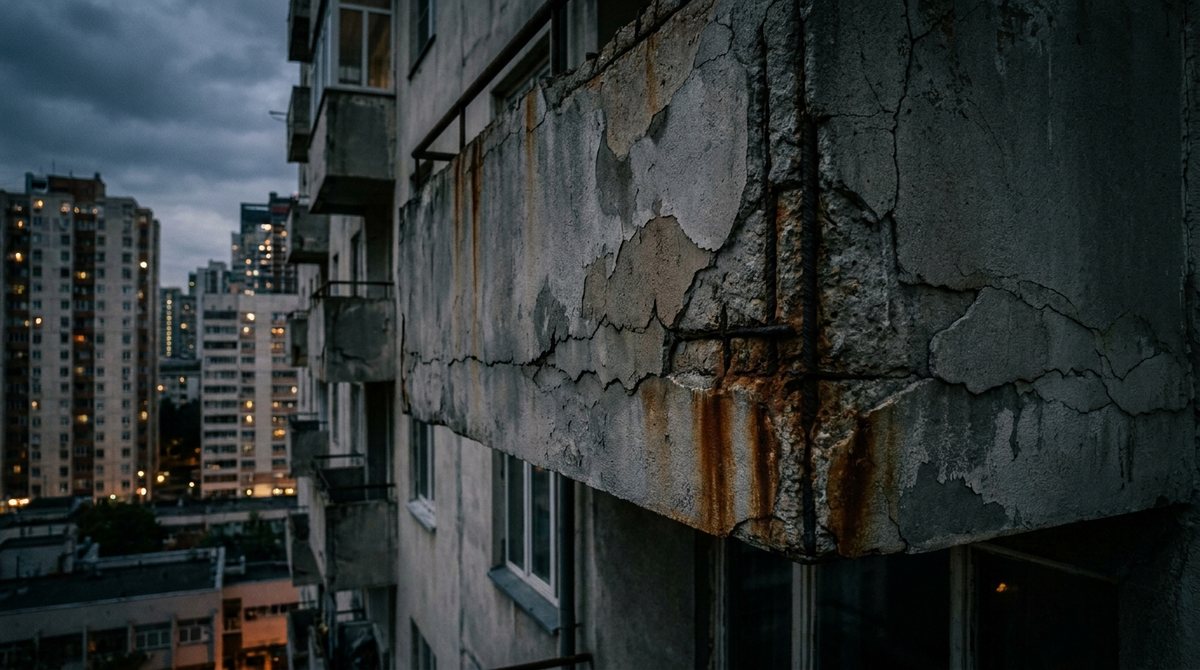
A volunteer Owners Corporation committee sits at a Tuesday night meeting in a Chatswood building manager's office. The strata manager has tabled a remedial scope of works. Three committee members read it. None of them works in construction. The chairperson asks what AS 4654.2 means. The treasurer asks why the warranty section sits on page nine. The secretary asks whether polymer-modified mortar is a real thing or a markup.
The committee approves the work or it does not. Either way, they need to be able to read the scope. This guide is the twelve-line checklist.
Why the scope of works is the most important document
The scope of works tells you what you are buying. The contract executes it. If you only have a single-line quote, you are approving a number without a product behind it. If you have the scope, you can defend the decision to every owner who reads the AGM agenda.
A scope of works is a separate document. It is usually four to fifteen pages. It names every defect, specifies every rectification, references the standard the work will be done to, and ties each line to the work it covers. The contract attaches the scope as a schedule, so the work that gets done is the work that was scoped. If the contractor sent a single-page document with no scope attached, the conversation starts with send the scope of works.
The 12 line items to look for
Run the scope against this checklist before the committee meeting. Anything missing, send it back to the contractor before the agenda goes out.
1. Defect description per item, with location
The scope should name what is wrong, where it is wrong, and how it was diagnosed. Membrane failure at balcony 3-04, north-facing, diagnosed by tile lift at three points on 14/03/2026. Not remedial works to balconies.
2. Cause statement per defect
Why the defect happened. Original 2008 membrane has reached end of life at the hob upstand. This separates remedial scope from cosmetic scope. If the cause is tile damage from impact, the work is cosmetic. If the cause is membrane failure, the work is remedial.
3. Rectification method per defect
What the contractor will actually do. The sequence. The materials. Lift tiles and bedding across the full balcony, remove old membrane to substrate, correct falls to drain with new screed, install two-coat liquid-applied polyurethane membrane to AS 4654.2. Not fix the leak.
4. AS code reference per defect
The Australian Standard the rectification will comply with. AS 4654.2 for external above-ground waterproofing. AS 3740 for internal wet area waterproofing. AS 3600 for concrete structures. AS 3700 for masonry. AS 3958 for tiling installation. AS 1684 for timber construction. AS 1860 for plasterboard installation. AS 4349.1 for property inspection reports. If the scope does not cite the standard, the work is not anchored to a benchmark.
5. Materials specified to manufacturer and product
Generic waterproofing membrane is not a spec. A named manufacturer, a named product, applied at the stated thickness or per the manufacturer's data sheet, is a spec. The committee should be able to look up the product and confirm it is the right grade for the application.
6. Access strategy
Scaffold, swing-stage, EWP, abseil, or working from inside the apartment. The strategy shapes the whole program. The scope should state which method, and why.
7. Containment and resident-impact plan
Dust management, noise hours, access through apartments, balconies offline during work, plant pot relocation. Residents need to know what is happening to their unit. The scope should spell it out.
8. Sub-scope cross-references
Most remedial scopes have sub-scopes. A balcony rectification might include a concrete cancer sub-scope at the slab edge, a balustrade rectification, or a drainage upgrade. Each sub-scope should be named and attached to the parent scope.
9. Sign-off and inspection sequence
When the work is signed off, who signs it, what gets inspected. A membrane flood test before tile reinstatement is a standard sign-off for waterproofing. A hammer-tap survey post-rectification is standard for concrete cancer work. The scope should list the inspections and the sign-off party.
10. Warranty per item
Manufacturer warranty on materials (often ten to fifteen years on membranes). Contractor workmanship warranty (typically two years on a defects liability basis, sometimes longer). Statutory defects liability in NSW (six years for major defects, two years for non-major, under the Home Building Act). The scope should state all three per line item.
11. Variation policy
How variations happen, how they are assessed, who signs them off. The standard is that variations only happen in writing, signed by the strata manager or chairperson before the work proceeds. A scope without a variation policy is a scope that drifts.
12. Payment schedule and milestone trigger
The payment schedule (typically deposit, progress payments tied to milestones, retention released at defects liability expiry) and the trigger event for each milestone. Vague 30 percent on commencement, 30 percent on practical completion without milestone definitions invites disputes later.
What to do if the scope is missing items
Send it back with the list. We are reviewing the scope ahead of the OC meeting on the agreed date. Before we present, please add the AS code reference per defect, the manufacturer and product specification for the membrane, the variation policy, and the warranty per line item. A serious remedial builder returns the updated scope within a few days. A surface contractor gets defensive or does not reply.
What to do next
- Run the checklist on the next scope that lands on your desk.
- Refuse to put a scope on the OC agenda that does not pass the checklist. The committee cannot defend what they cannot read.
- Save the checklist as a template. Same list, every scope. It removes the back-and-forth.
- Hand the checklist to the building consultant if the OC wants a second technical opinion. Consultants read scopes faster with a structured list.
How Supcon handles this
Thomas writes the scope of works in this format. Defect, cause, rectification, AS code, materials, access, containment, sub-scopes, sign-off, warranty, variation policy, milestones. Each line stands on its own. The committee reads it. The questions get asked at the table, not after the work has started.
The scope is the work. The contract attaches it as a schedule. Variations happen in writing. See how to scope a remedial quote so the strata committee can defend it for the brief that produces a scope like this, and why three remedial scopes for the same building look nothing alike for the comparison logic when three come back.
Get a remedial scope. Send through the issue.